About
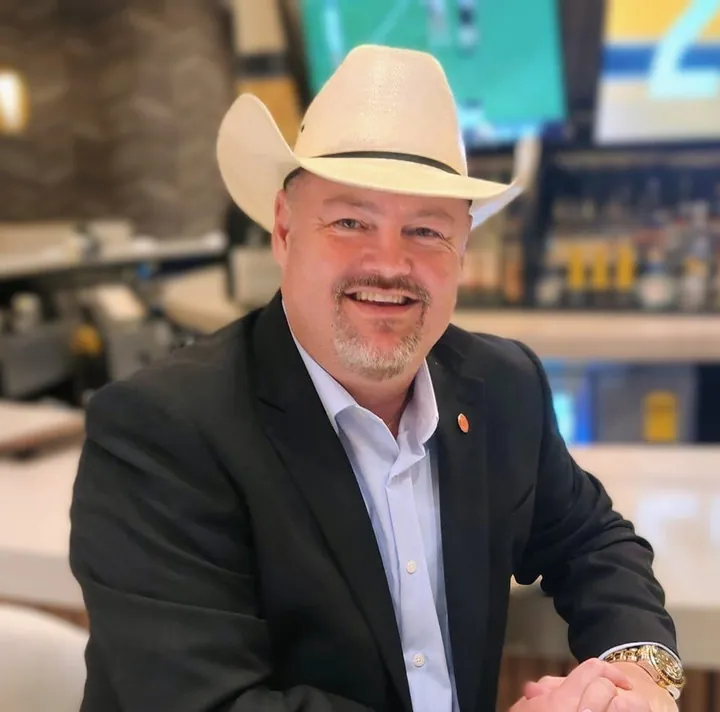
Michael Skrobarcek
Thirty years in Texas law enforcement. Twelve of them as a DEA Task Force Officer. Three terms as an elected constable. I have been working with plate readers since before most agencies knew what they were.
How I got here
I started using plate reader technology early, when there was no playbook and no vendor training worth the name. What I learned, I learned by running the systems, making mistakes with them, and recovering a lot of vehicles. Some of the methods I worked out ended up in general use.
Twelve of my thirty years were spent assigned to DEA, running task force operations against organized drug networks. That work is where I learned what vehicle data is actually worth, and also where I learned how quickly bad information turns into a bad outcome. In that environment you verify before you move. It is not a preference. It is how everyone goes home.
I also spent three terms as an elected official, which means I have been on the other side of the table. I have sat in public meetings and answered to residents. That experience is a large part of why I do this work the way I do.
Based in Texas · Working nationally
Why independent
There are two kinds of people offering agencies advice about plate readers right now. There are vendors, who want you to buy something. And there are advocacy organizations, who want you to stop. Both do useful work and both have a position they arrived with.
What I have not found is somebody in the middle who will tell an agency the truth about its own program. That the technology is worth having. That the way most agencies run it will not survive scrutiny. And that the fix is mostly unglamorous records work rather than a new purchase.
So that is the practice. I do not resell hardware, take vendor commissions, or hold a distribution agreement with any manufacturer. If a review points you toward a different system, I have no stake in which one you choose. If it points toward keeping what you have and fixing your procedures, which it usually does, that is what the report will say.
Where I work
The practice works nationally. Texas is where it goes deepest, because that is where the work has been done and because I have signed the state access agreements myself rather than only read about them. If you are outside Texas, the failure modes are the same and so are the fixes. The paperwork on top of them is different, and finding out what yours says is part of the job.
How I work
Findings state what was examined, what the records show, and how confident that conclusion is. Where the evidence is thin, the report says so rather than rounding up. That discipline came out of task force work, where reporting something more confidently than the evidence supported was how people got hurt.
It applies here too. A theft record existing in a database is not the same thing as a theft being active. Confusing the two is the difference between a good stop and a lawsuit, and it is a distinction I hold onto in every engagement.
What I do not do
- I do not sell, resell, or represent any plate reader product.
- I do not take work against agencies. This practice serves departments and local government.
- I am not an attorney and I do not give legal advice. Policy work is drafted for your city attorney to review.